THE JOURNEY ARCHIVE
Experience the ultimate Himalayan motorcycle adventure on this 19-day Tibet Motorcycle Tour, riding through Nepal and Tibet’s most iconic landscapes. This journey blends thrilling motorbike rides, spiritual exploration, and breathtaking Himalayan scenery. From the vibrant streets of Kathmandu to the spiritual heart of Tibet, including Mount Kailash and Everest Base Camp (north side), this tour is designed for adventure seekers with a love for culture, history, and high-altitude riding.
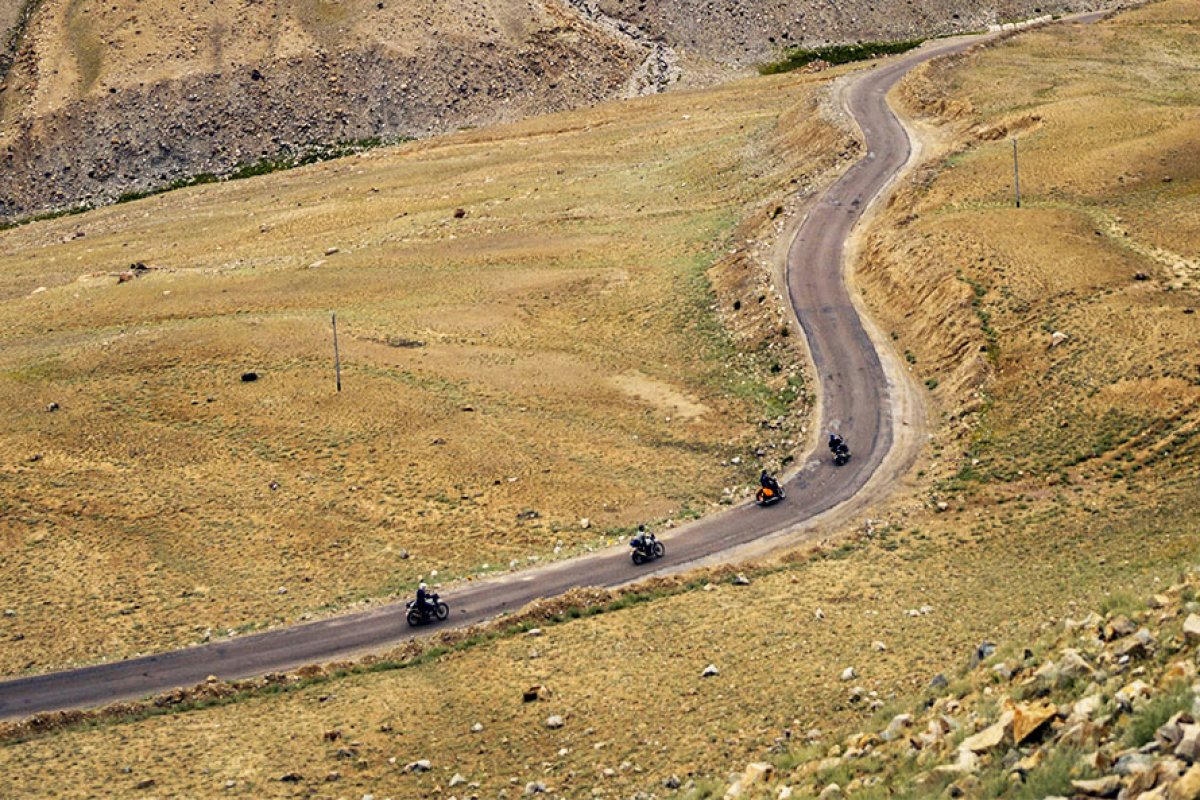
Ride the legendary Tibet Motorcycle Circuit, challenge rugged terrains, and witness the Himalayas like never before—all from the saddle of a Royal Enfield 500cc.
EXPEDITION HIGHLIGHTS
- Kathmandu Cultural Exploration: Pashupatinath Temple, Boudhanath Stupa, and Patan Durbar Square.
- High-Altitude Riding: Cross the Nepal-Tibet border and traverse the Tibetan Plateau.
- Sacred Sites: Lake Manasarovar and Mount Kailash pilgrimage area.
- Everest Base Camp (North Side): Panoramic views of the world’s highest mountain.
- Remote Wilderness: Ride through Tibetan deserts, alpine forests, and nomadic villages.
- Iconic Monasteries: Potala Palace, Jokhang Temple, Tashi Lhunpo, Sakya, and Rongbuk Monasteries.
- Challenging Passes: Karola Pass (5,045 m) and other high-altitude mountain passes.
- Royal Enfield Experience: Smooth, reliable, and powerful motorcycle suited for rugged Himalayan terrains.
DAY-BY-DAY ROAD MAP
DAY 2: Kathmandu Sightseeing
- Visit Pashupatinath, Boudhanath, and Patan Durbar Square.
- Overnight in Kathmandu.
DAY 3: Bike Orientation & Visa Collection
- Safety briefing and Royal Enfield orientation.
- Collect Tibet/China visa.
- Overnight in Kathmandu.
DAY 4: Kathmandu to Rasuwagadhi (140 km, 5-6 hrs)
- Scenic ride through terraced fields and Himalayan foothills.
- Overnight in Rasuwagadhi.
DAY 5: Cross Border to Kerung (70 km, 2-3 hrs)
- Complete border formalities and enter Tibet.
- Acclimatization at Kerung (2,700 m).
- Overnight in Kerung.
DAY 6: Kerung to Saga (230 km, 6-7 hrs)
- Ride through Tibetan Plateau landscapes with nomadic settlements.
- Overnight in Saga.
DAY 7: Saga to Lake Manasarovar (450 km, 8-9 hrs)
- Scenic journey to sacred Lake Manasarovar.
- Overnight near the lake.
DAY 8: Manasarovar to Darchen (60 km, 1-2 hrs)
- Short ride to the base of Mount Kailash.
- Optional exploration and rest.
- Overnight in Darchen.
DAY 9: Rest Day in Darchen
- Acclimatization and optional cultural exploration.
- Overnight in Darchen.
DAY 10: Darchen to Saga (450 km, 8-9 hrs)
- Return journey through vast Tibetan landscapes.
- Overnight in Saga.
DAY 11: Saga to Shigatse (445 km, 8-9 hrs)
- Ride to Tibet’s second-largest city, Shigatse, home to Tashi Lhunpo Monastery.
- Overnight in Shigatse.
DAY 12: Shigatse to Lhasa (270 km, 5-6 hrs)
- Ride to Lhasa, Tibet’s spiritual and cultural capital.
- View the iconic Potala Palace.
- Overnight in Lhasa.
DAY 13: Explore Lhasa
- Visit Potala Palace, Jokhang Temple, and Barkhor Street.
- Immerse in Tibetan culture and spirituality.
- Overnight in Lhasa.
DAY 14: Lhasa to Gyantse (260 km, 5-6 hrs)
- Ride past Yamdrok Lake and Karola Pass (5,045 m).
- Visit Kumbum Stupa in Gyantse.
- Overnight in Gyantse.
DAY 15: Gyantse to Sakya (150 km, 4-5 hrs)
- Explore Sakya Monastery with unique fortress-style architecture.
- Overnight in Sakya.
DAY 16: Sakya to Rongbuk (220 km, 5-6 hrs)
- Ride to Rongbuk Monastery and Everest Base Camp (north side).
- Enjoy spectacular views of Everest’s north face.
- Overnight near Rongbuk.
DAY 17: Rongbuk to Kyirong (180 km, 6-7 hrs)
- Return ride toward Nepal border.
- Visit Paikutso Lake en route.
- Overnight in Kyirong.
DAY 18: Kyirong to Kathmandu (150 km, 5-6 hrs)
- Cross into Nepal; scenic ride to Kathmandu.
- Overnight in Kathmandu.
DAY 19: Free Day in Kathmandu
- Shopping, sightseeing, or leisure.
- Acts as a buffer for delays.
- Overnight in Kathmandu.
DAY 20: Departure
Transfer to airport; conclude the tour.
PRICING & MISSION SPECS
ESTABLISHED INCLUSIONS
- Tibet permits, visas, temporary driving license.
- Motorbike insurance and support vehicle.
- Twin-sharing accommodation and meals from Shigatse to Lhasa.
- English-speaking Tibetan guide and Nepali mechanic.
- Monastery entrance fees, Everest road fees, Kailash & Manasarovar entrance.
- Emergency oxygen cylinder, fuel, and roadside assistance.
MISSION EXCLUSIONS
- Personal gear (helmets, jackets, gloves).
- Motorcycle spare parts.
- Tips, travel/medical insurance, and evacuation costs.
- Visa fee for non-Nepali nationals.
EXPEDITION INTEL (FAQ)
The Royal Enfield Himalayan is the most commonly used motorcycle for this tour due to its durability, high-altitude performance, and ease of handling on rough terrain. Some tours may also offer KTM or Honda adventure bikes. The bike should be capable of handling steep climbs, gravel roads, and long-distance high-altitude riding, while providing luggage options for essential gear.
Yes, participants should have at least intermediate motorcycle experience, especially on uneven, winding, or mountainous roads. Experience with high-altitude riding is advantageous. Beginners can join only if accompanied by guides or support vehicles, but independent riding skills are strongly recommended for safety.
The Tibet Motorcycle Tour crosses some of the highest motorable passes in the world, often exceeding 5,000 meters. Popular passes include Gyatso La (5,220 m) and Nyalam Pass (5,200 m). These high-altitude sections offer breathtaking views but require careful riding, proper acclimatization, and attention to weather conditions.
Yes, all international travelers require a Tibet Travel Permit, which is typically arranged by the tour operator. Chinese visas may also be required depending on your nationality and route. The operator will handle paperwork to ensure a smooth entry, but travelers should submit passport details well in advance.
Road conditions vary from well-paved highways near Lhasa to gravel and dirt tracks in remote areas. Riders can expect steep inclines, occasional landslides, and uneven surfaces on mountain passes. While some roads are challenging, support vehicles, experienced guides, and GPS navigation make the route manageable for prepared riders.
Beginners with prior riding experience can participate, but the tour is not recommended for complete novices. Beginners must ride cautiously, use support vehicles for backup, and follow guide instructions on challenging sections. Acclimatization and patience are key for those new to high-altitude motorcycle touring.
Yes, the tour includes support vehicles carrying spare parts, fuel, luggage, and emergency supplies. Guides accompany the riders to assist with navigation, mechanical issues, and altitude-related concerns. This ensures safety and allows participants to focus on enjoying the ride rather than logistics.
The optimal seasons are spring (April–June) and autumn (September–October). During these periods, weather is stable, temperatures are moderate, and visibility is excellent. Winter months can bring snow and ice, while the monsoon season (July–August) may cause landslides and slippery roads.
Fuel stations are limited in remote areas, but support vehicles usually carry extra fuel to cover long stretches. Riders are advised to refuel whenever possible and keep spare fuel handy during high-altitude or isolated sections of the route.
Essential items include helmet, gloves, riding jacket, boots, thermal layers, and rain gear. Additional items like sunscreen, sunglasses, lip balm, first-aid kit, water bottles, and cameras are recommended. Packing light is advised, as support vehicles carry luggage and heavy backpacks can affect riding balance.
Yes, visiting Everest Base Camp (EBC) by motorcycle is safe when done with an experienced guide and proper acclimatization. Riders should monitor altitude sickness symptoms, ride cautiously on rough roads, and avoid rushing in high-altitude areas. Support vehicles and guides provide assistance along the route.
Absolutely. Women riders can join solo or in groups. Guides, support vehicles, and organized accommodations ensure safety and comfort. Many women riders have successfully completed Tibet motorcycle tours independently, as long as they follow safety protocols and ride within their comfort level.
The total distance of a typical Tibet motorcycle tour ranges from 1,500 to 2,500 km, depending on the exact route. Daily rides can vary between 100–200 km, allowing time for sightseeing, cultural visits, and acclimatization stops. Riders should be prepared for long hours on the bike over high-altitude terrain.
Yes, many operators offer customizable itineraries. Travelers can adjust ride distances, extend stops at cultural or scenic locations, include alternative passes, or change the number of days. Customization ensures that the tour meets individual preferences, riding abilities, and personal interests.
Expedition Investment
$0 / Person
Upcoming Departures
No fixed departures found. Contact us for a custom date.
INQUIRE PRIVATELY