THE JOURNEY ARCHIVE
The Manang Valley Motorbike Tour is a high-adrenaline Himalayan adventure in Nepal. Over 10 days, riders explore rugged trails, high-altitude valleys, and Tibetan-influenced villages that have remained largely unchanged for centuries. This journey is perfect for intermediate to advanced riders seeking a mix of off-road thrills, cultural immersion, and stunning Himalayan scenery.
Set at 3,500 meters in the Annapurna rain shadow, Manang offers barren desert landscapes, pine forests, and panoramic mountain views including Annapurna II, Gangapurna, Tilicho Peak, and Chulu East & West. This tour combines raw adventure with authentic cultural experiences in villages like Pisang, Braga, and Khangsar.
EXPEDITION HIGHLIGHTS
- High-altitude riding: Reach Manang at 3,500m+ and Thorong La base at 5,416m.
- Scenic Himalayan landscapes: Snow-capped peaks, gorges, rivers, and alpine forests.
- Cultural immersion: Tibetan monasteries, prayer flags, Mani walls, and local festivals.
- Adventure off-road trails: Rocky paths, suspension bridges, river crossings, and narrow ridges.
- Tilicho Lake Excursion: Ride near the world’s highest lake at 4,919m.
- Less-touristy alternative: A quieter and authentic experience compared to Mustang.
- Wildlife spotting: Himalayan Tahr, Blue Sheep, Lammergeier, Griffon Vultures, and possibly Snow Leopards.
DAY-BY-DAY ROAD MAP
DAY 1: Arrival in Kathmandu (1,370m)
- Airport pickup, hotel check-in
- Tour briefing, motorcycle handover, and safety instructions
DAY 2: Kathmandu to Jagat (2,650m, 205 km / 7–8 hrs)
- Ride via Naubise, Mugling, Dumre, Besisahar
- Rocky terrain, waterfalls, and suspension bridges
- Overnight at lodge in Jagat
DAY 3: Jagat to Manang (3,519m, 62 km / 4 hrs)
- Ride through Pisang village, Braga, and Khangsar
- Explore local monasteries and villages
- Overnight at lodge in Manang
DAY 4: Excursion around Manang
- Optional ride to Khangsar (3,745m)
- Optional trek to Gangapurna Base Camp (3,800m)
- Overnight at lodge in Manang
DAY 5: Manang to Riepe Village via Besisahar (1,250m, 125 km / 7 hrs)
- Ride back through waterfalls and natural hot springs
- Enjoy rural village life and Annapurna views
- Overnight homestay in Riepe Village
DAY 6: Riepe Village to Pokhara (827m, 93 km / 4 hrs)
- Scenic descent along Dumre highway
- Arrival in Pokhara, free evening for relaxation or lakeside exploration
- Overnight in Pokhara
DAY 7: Free Day or Pokhara City Tour
- Sunrise at Sarangkot
- Davis Falls, Tibetan Refugee Camp, Phewa Lake boating, Tal Barahi Temple visit
DAY 8: Pokhara to Nuwakot (185 km / 6 hrs)
- Ride along Trishuli River
- Visit Nuwakot Palace and 7-storey fort
- Overnight at Famous Farm, Nuwakot
DAY 9: Nuwakot to Kathmandu (70 km / 3.5 hrs)
Ride via Shivpuri Forest Reserve
Overnight in Kathmandu
DAY 10: Departure from Kathmandu
Airport transfer for onward journey
PRICING & MISSION SPECS
ESTABLISHED INCLUSIONS
- Airport pickup/drop
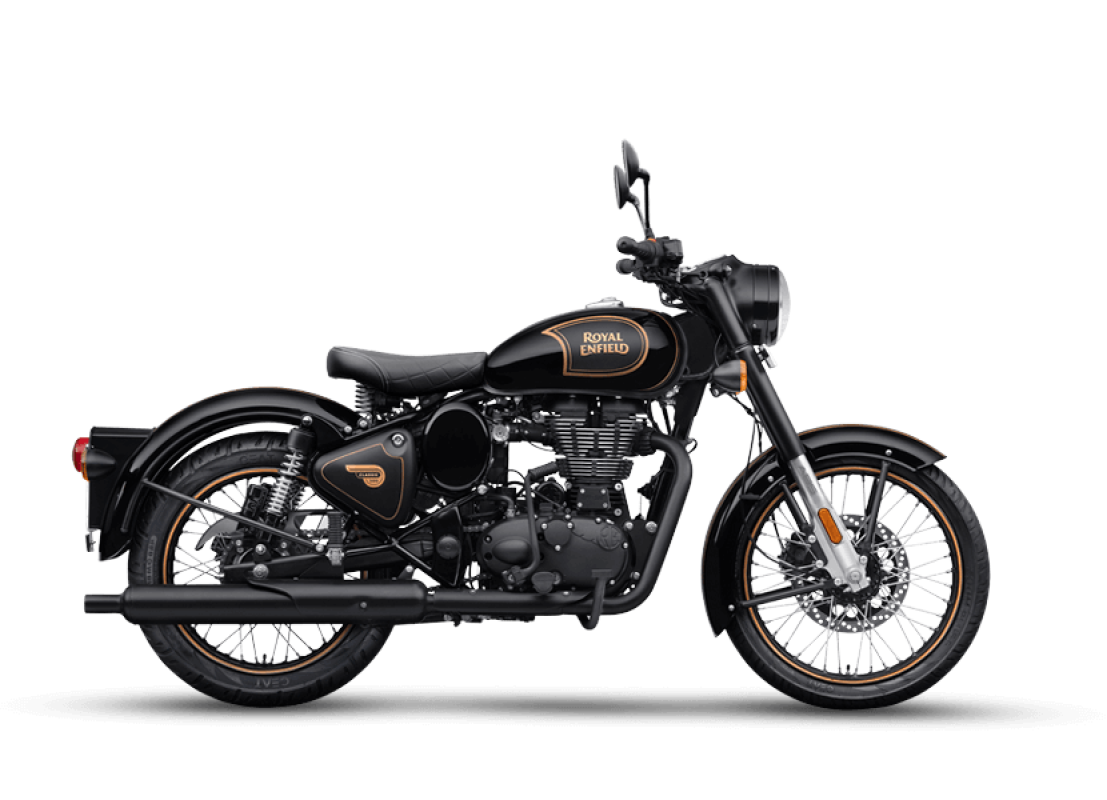
- Royal Enfield/Honda/Hero motorcycle rental & fuel
- Accommodation in lodges, guesthouses, and 3-star hotels in Kathmandu/Pokhara
- Breakfast in Kathmandu & Pokhara, full board elsewhere
- ACAP & TIMS permits
- Experienced tour leader & mechanic
- Support vehicle for groups
- First aid kit and safety briefing
- Welcome dinner in Kathmandu
MISSION EXCLUSIONS
- International airfare & Nepal visa
- Personal insurance & medical costs
- Lunch & dinner in Kathmandu/Pokhara
- Personal gear (helmet, jacket, gloves, goggles)
- Damage to motorcycle during tour
- Tips & personal expenses
EXPEDITION INTEL (FAQ)
Upcoming Departures
No fixed departures found. Contact us for a custom date.
INQUIRE PRIVATELY